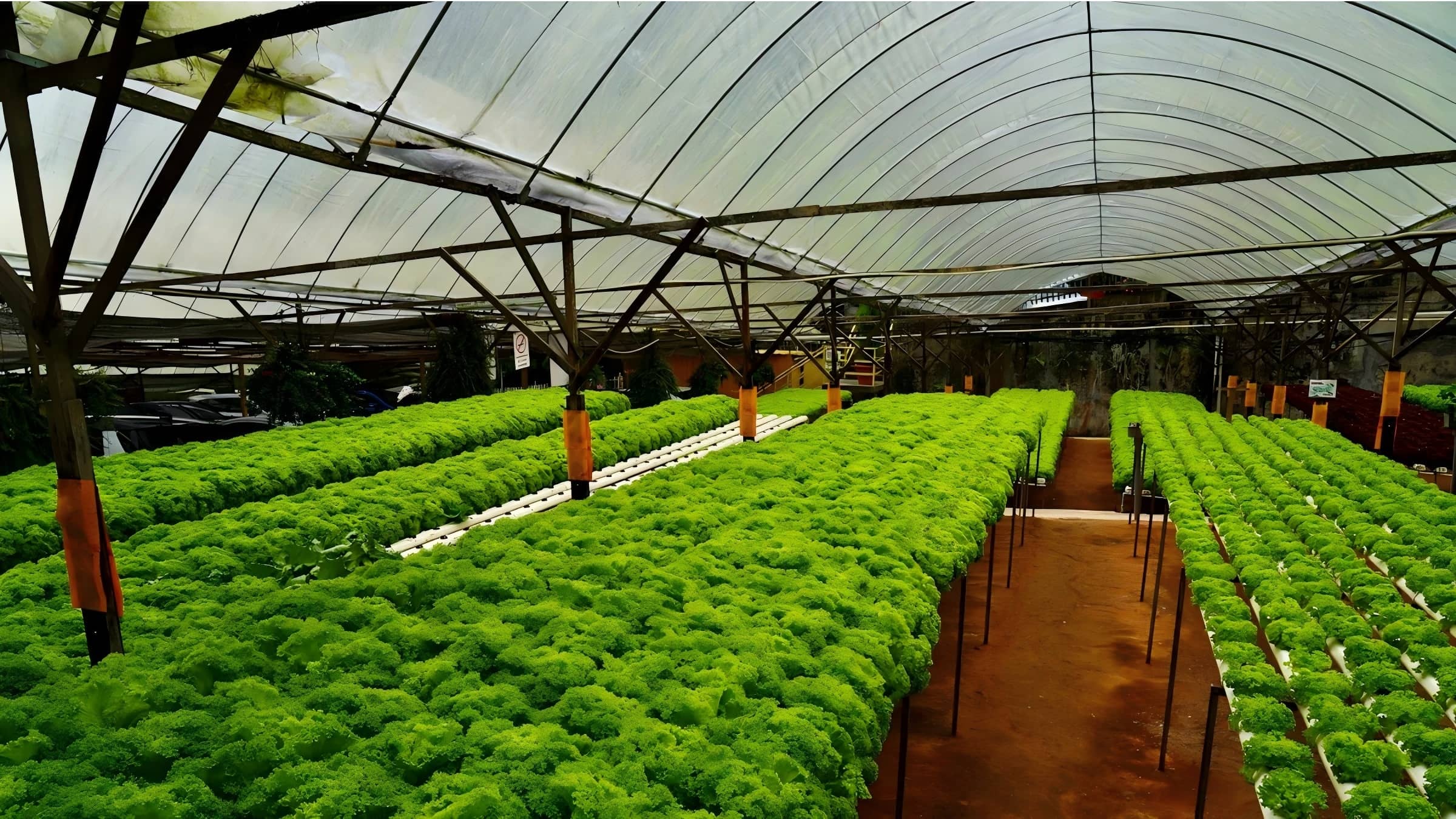
As global agriculture grapples with dual pressures—boosting yields to feed a growing population while reducing environmental harm—sustainable agrochemicals have emerged as a cornerstone of modern, eco-conscious farming. These bio-based, low-impact solutions prioritize soil health, biodiversity, and food safety without sacrificing productivity. Below, we highlight 7 trailblazing companies redefining the future of crop protection and management through cutting-edge innovation.
Key Innovators & Their Groundbreaking Solutions
Each of these firms is addressing critical agricultural pain points—from pest resistance to climate-driven crop stress—with scalable, sustainable technologies:
|
Company |
Core Sustainable Technology |
Real-World Impact & Adoption |
|
Ascribe Bioscience |
Microbial-derived ascaroside compounds (naturally occurring signaling molecules) |
Validated to cut synthetic fungicide use by 50% in row crops (corn, soybeans) while maintaining 92% of traditional yields; adopted by 120+ U.S. farms in 2025. |
|
Agrobiomics |
Streptomyces-derived stress-resistance molecules (targeting drought/salinity tolerance) |
Field trials in semi-arid regions (e.g., Spain, Australia) showed 18–22% higher yields in salt-affected soils (covering 8.33B hectares globally); partnered with 3 major seed companies for 2026 commercialization. |
|
IBI Ag |
Antibody-based insect control formulations (targeting pest-specific digestive proteins) |
Approved for use in leafy greens and fruits (lettuce, strawberries) in North America; non-toxic to pollinators (bees, butterflies) and beneficial insects, with 70% pest mortality rates in controlled trials. |
|
Vestaron |
Polypeptide biopesticides (derived from spider venom, engineered for safety) |
Fast-tracked for EU approval (2 years ahead of standard timelines) for tomato pest management; breaks down in soil within 14 days (vs. 6+ months for synthetic alternatives); used by 800+ European greenhouse growers in 2025. |
|
Promip |
Integrated beneficial insect-microbial agent systems (combining predatory mites and fungal biocontrols) |
Expanded viral biopesticide coverage to 200M+ hectares in Brazil (2021–2024) for soybean and cotton crops; reduced synthetic insecticide use by 35% for smallholder farmers in the Cerrado region. |
|
GreenNong Bio |
Phage "cocktail" formulations (targeting soil-borne bacterial pathogens) |
GMP-certified production of phage-based solutions for bacterial wilt (a major threat to solanaceous crops); adopted by 500+ vegetable farms in Southeast Asia, cutting disease incidence by 60% without soil disruption. |
|
BiocSol |
Bacterial metabolite-based fungicides (stable, non-live formulations for broad-spectrum disease control) |
Proven effective against late blight (potatoes) and powdery mildew (grapes) in field trials across France and Chile; compatible with organic farming standards, with 85% disease suppression rates. |
The Broader Shift Toward Sustainable Agrochemicals
These innovations come at a pivotal moment for global agriculture:
-
Synthetic agrochemicals face rising regulatory restrictions (e.g., EU’s Farm to Fork Strategy, which aims to cut chemical use by 50% by 2030) and growing consumer demand for residue-free food.
-
Climate change has intensified crop stressors (drought, salinity, extreme temperatures), making resilient, low-impact solutions non-negotiable for long-term productivity.
-
Market projections estimate the global sustainable agrochemicals sector will reach $38.7B by 2030 (CAGR 8.2%), driven by adoption in emerging markets like Southeast Asia and Latin America.
What unites these 7 firms is their focus on nature-aligned innovation: rather than replacing synthetic chemicals with one-size-fits-all alternatives, they’re leveraging microbial biology, natural compounds, and targeted formulations to work with ecosystems—not against them. For farmers, this means more flexible, cost-effective tools that protect both crops and long-term land health.
Looking Ahead
As adoption of sustainable agrochemicals accelerates, these innovators are poised to shape the next era of farming: from scaling region-specific solutions (e.g., drought-resistant molecules for arid zones) to integrating digital tools (e.g., precision application tech) that maximize efficiency. For stakeholders across the supply chain—from farmers to food brands—these technologies offer a clear path to balance productivity with planetary stewardship.
Meta Description: Discover 7 innovative companies leading sustainable agrochemical advancements—from microbial biopesticides to phage-based solutions—driving eco-friendly crop protection and yield resilience for modern farming.

.png)








.png)




.png)

.png)